


The emotional system behind missing people, seeking reassurance, and struggling to let go.
You ended the relationship, and you had good reasons. You’d spent months trying to resolve the same problems, and by the time you left, you knew you didn’t want another year of this. Yet now you’re sitting on your kitchen floor, crying and considering a call to the person you were so relieved to leave. You want to hear their voice. You want them to come over. Apparently, you’d also like to reconsider every conclusion you reached while you still had ample daily evidence. How can leaving be the right decision when being apart feels this awful? And why does the person you no longer want a relationship with suddenly feel like the only person who could make you feel better?
What you are feeling is an hyperactivated PANIC/GRIEF network, the core emotional system associated with separation distress. Core emotional systems are inherited brain networks that coordinate feelings, bodily responses, and tendencies to act. This one makes separation from important others painful and motivates attempts to restore contact. Its everyday expressions include missing someone, feeling lonely, and wanting reassurance that a relationship is still intact. The name needs a little explanation. PANIC here refers to the urgent distress of separation (it is not interchangeable with a clinical panic attack). GRIEF emphasizes the sorrow and despair associated with loss. Together, they label a system whose expressions range from an ordinary pang of missing someone to profound anguish.
Why would evolution make separation hurt?
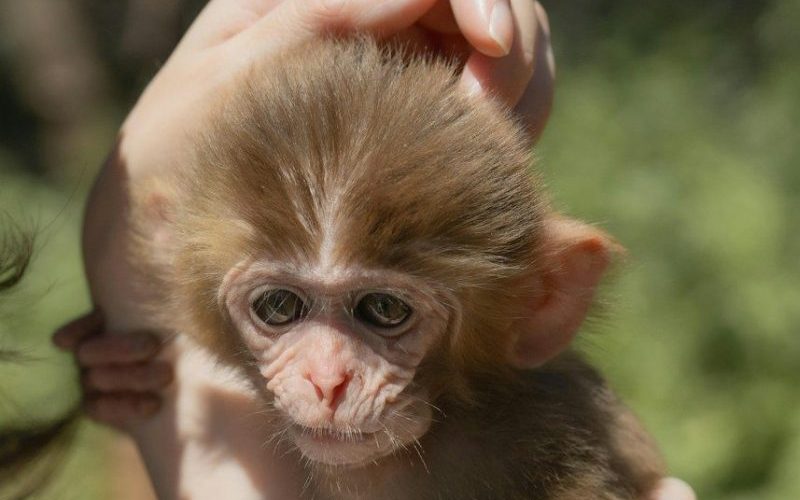
For a dependent young mammal, losing contact with a caregiver can mean losing access to food, warmth, and protection. A youngster that protests separation gives the caregiver an opportunity to find it; one that seeks proximity helps prevent separation in the first place. Distress makes maintaining contact urgent without requiring any understanding of what would happen if that contact were permanently lost. You can observe this in a puppy calling when separated from its mother or a young animal following its caregiver. The infant’s distress and the caregiver’s response involve interacting systems: PANIC/GRIEF helps motivate the youngster to regain contact, while CARE helps motivate the adult to respond. The relationship works partly because separation is unpleasant and reunion brings relief.
This dependence changes as animals mature, but social bonds remain consequential. In humans, dependable relationships have helped provide protection, cooperation, and care during illness or injury. The capacity to miss particular people helps sustain those relationships. Someone’s absence matters enough for you to seek them out, repair a disagreement, or make the effort to remain in touch. You may have excellent practical reasons to call your friend, but most often the reason is simply that you miss the creature.
What the system feels like in ordinary life
Separation distress needn’t involve physical distance. Someone can be sitting beside you while seeming emotionally unavailable, and a relationship can feel threatened before anyone has announced that it is ending. A change in warmth or responsiveness may leave you preoccupied with whether you still matter to them. What counts as a sign of separation depends partly on experience: the same unanswered message can seem unremarkable to one person and ominous to another. When the response fits the circumstances, it helps you do many useful things. You notice that you miss a friend and arrange to meet. You acknowledge that a disagreement was ridiculous and try to resolve it. Contact becomes reassuring, and you can return your attention to the rest of your life.
Being securely attached does not mean never missing anyone; it allows absence without making every absence feel like abandonment. PANIC/GRIEF also differs from FEAR, although the two can occur together. FEAR organizes responses to danger. Separation distress concerns the loss or unavailability of an attachment figure. You can be physically safe and still desperately want someone back. Conversely, you can face a dangerous situation without feeling lonely at all.
What’s happening in the brain?
Neurologically, separation distress involves interconnected regions extending from the periaqueductal gray in the midbrain to areas including the anterior cingulate cortex. These networks help coordinate the distress and vocalizations associated with separation. Research in young animals has also shown that the brain’s own opioid signaling helps regulate separation distress and social comfort; oxytocin and stress-related signaling participate as well. These are interacting processes, rather than single chemicals that determines how attached you feel.
Your particular relationships acquire their significance through experience. You learn whose presence is comforting, whether reaching out brings a response, and what tends to happen after conflict. Repeated experiences of reliable reunion help make separation more tolerable. Unpredictability can leave you less confident that contact will be restored soon enough (or at all) and may sometimes make you act like a lunatic. You inherit capacities and tendencies, your early experiences help establish expectations, and what happens later, including today and tomorrow, can reinforce those expectations or give you reasons to gradually revise them. A history of unreliable relationships doesn’t permanently settle what you can expect from people, although one reassuring conversation may struggle to compete with twenty years of evidence to the contrary.
When keeping contact becomes urgent
The system becomes troublesome when possible separation repeatedly demands more attention than adulthood warrants. You may need frequent reassurance, interpret ordinary distance as rejection, abandon your own plans to remain available, and routinely place any relationship before your other needs.
A reply brings relief, but the reassurance doesn’t last. Soon you need another indication that everything is still okay. This can become a painful learning pattern. If checking, pleading, or giving in repeatedly reduces distress, those responses become tempting the next time separation feels possible. You agree to stuff you resent because disagreement seems to endanger the relationship. Over time, preserving contact takes precedence over anything else you would need to live a good life.
Temperament and relationship history can contribute to this sensitivity, but you also need to sincerely examine the situation. Someone who alternates affection with unexplained withdrawal creates genuine uncertainty. Someone who repeatedly threatens to leave during arguments gives you a reason to anticipate abandonment. Not every distressed response is evidence that you need to become less sensitive. Nor does intense grief after a major loss indicate excessive activation. The intensity has to be understood in context. Persistent grief that substantially restricts daily life needs attention, but suffering deeply after someone dies is not, by itself, a malfunction.
Why agitation can give way to withdrawal
Separation can initially recruit SEEKING: you call, search, or look for ways to restore contact. But prolonged, unsuccessful efforts give way to diminished SEEKING and withdrawal. The evolutionary explanation is that reduced activity limits the energy expenditure and dangers of continuing to search and call when there’s little chance of reunion. You become quieter while remaining intensely distressed. This offers an account of how social loss contributes to depression. A less visible protest should therefore not be mistaken for recovery. Someone who has stopped trying to make contact may have accepted the separation, or they may feel that trying is hopeless. We need to understand the experience behind the behavior. Silence alone tells us very little.
What if you barely seem to miss anyone?
Evolutionarily, pronounced, lifelong underactivation of PANIC/GRIEF would be a costly variation. A dependent young animal that barely protests separation or tries to find its caregiver risks losing food and protection. Later, weak attachment can undermine relationships that support reproduction and offspring survival. There are good evolutionary reasons, then, to expect selection against extreme underactivation, although that alone doesn’t tell us how rare it actually is. Being untroubled by everyone’s departure has its conveniences, but keeping a young mammal alive is rarely one of them.
Milder variations still exist. You might thoroughly enjoy someone’s company over summer, then get on with your year when they leave, without particularly wishing they’d stayed. A relationship ends, and you feel little personal loss. With less separation distress, there’s less emotional pressure to reconnect or repair a damaged bond. The unanswered message can remain unanswered; you’re not checking your phone while pretending to do something else. This may be one of the occasions when evolutionary mismatch works in your favor: modern institutions and paid services let you live a largely solitary life without necessarily jeopardizing your survival—or even your chances of reproducing. You still depend on other people, but you don’t have to be personally attached to the people growing your food or keeping your electricity on.
Impaired emotional bonding also features in accounts of psychopathy. One possible explanation is that weak PANIC/GRIEF responses, alongside reduced CARE, give relationships less emotional weight: separation and abandonment hurt less, and other people’s needs exert less pull. SEEKING, LUST, or RAGE can still provide plenty of motivation to pursue someone or become furious when they leave while guilt, shame, and concern about the relationship may exert less restraint. Someone can be very determined to keep you around without being particularly attached to you.
Does staying attached serve the life you want?
The evolutionary value of maintaining bonds does not make every existing relationship worth preserving. The PANIC/GRIEF system made other people’s bullshit worth tolerating: walking away could have meant losing the support and protection human survival depended on. Fast-forward two million years, and you can miss someone who treated you badly and feel relief when they contact you, even though resuming the relationship will turn your life into a burning dumpster. That relief only means renewed contact has eased your separation distress and tells you nothing about whether reconciliation is a good decision.
You may have drawn the unlucky cards and find even ordinary separations unbearable. Perhaps you expect the worst whenever you express disagreement, or losing someone leaves you grieving more intensely and for longer than the people around you seem to. In psychoanalysis, we explore how these tendencies developed and work through past losses that may never have received enough of your attention. Nobody has to die for there to be something to grieve. You may need to mourn the parent or partner you needed but never had, even while the actual person is alive and continuing to disappoint you. People may have let you down over and over, remaining physically present while leaving you emotionally alone. Perhaps they still do.
Part of the work is acknowledging what happened and what remains missing, including what a particular person is unlikely to give you. Grieving takes time, and telling yourself to stop panicking rarely settles much. We work toward making separation more tolerable, finding ways to soothe the distress, and developing relationships in which reassurance has some basis in how you’re actually treated. You can gradually learn to miss someone without treating that feeling as an instruction to bring them back. On a difficult evening, you may still want to call your ex. The difference is being able to remember why you left while you decide what to do with the phone.